
16 Dec Welcome to Our Family of Restoration Dreamers
December 17th, 2025
Forward by Fred Phillips, Principal
Community-based restoration can be incredibly challenging to bring to life. What makes this work—and the last 26 years of Fred Phillips Consulting—possible isn’t any one individual; it’s family. It’s our work family, our friends, and our partners coming together through both difficult and opportunistic times to turn shared visions into reality.
I owe deep gratitude to the hundreds of employees and colleagues I’ve worked with over the past few decades. This year in particular, I want to thank Alex Colpitts for her exceptional project management in bringing the Uncompahgre Multi-Benefit Project across the finish line; Emily Ontiveros for her grant writing, design, compliance, and permitting work; and Andrew Boyd for leading a group of UPenn students to Hopi for a design workshop and for his mastery of GIS and CAD design. I am also grateful to Ben Wilkinson, Mike James, Ed Clitso, and Max Taylor for leading restoration expeditions throughout the Colorado River Basin, as well as Kaia Gamora, Esme Hudson, Kelsey Jensen, Cameron Skoloda, Regis Maloney, Brenda Cly, Ki Chi, and the rest of our team. It’s their spirit, attitude, sweat, and joy in restoring the canyons, watersheds, and lands of the Colorado River that make this work possible. I value each of you—especially your friendship.
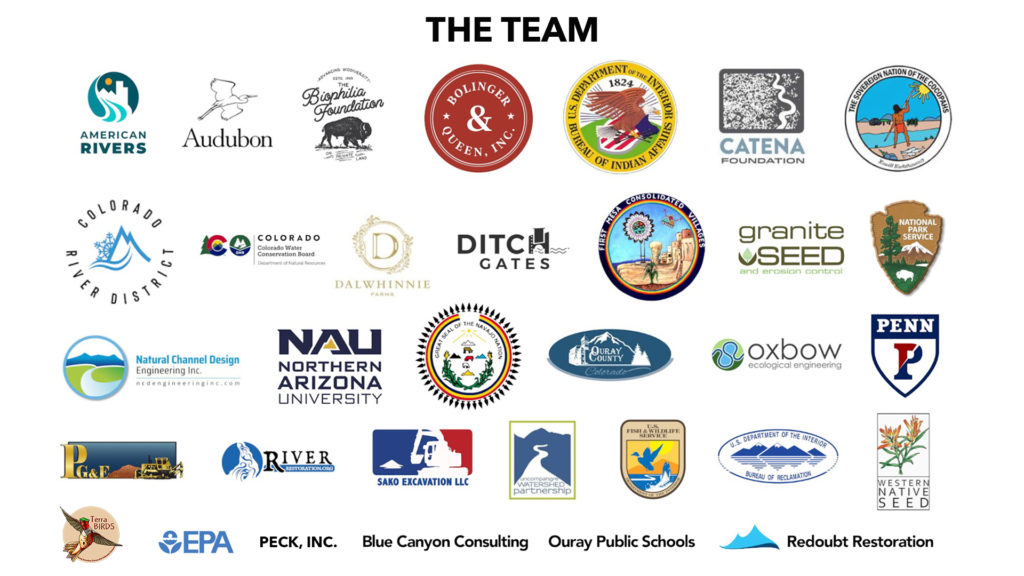
I am also deeply grateful to the clients and colleagues who have entrusted us with meaningful, inspiring work this past year: American Rivers, the Catena Foundation, the Biophilia Foundation, the National Audubon Society, the U.S. Bureau of Reclamation, the Colorado River District, the Colorado Water Conservation Board, Ouray County, U.S. Fish & Wildlife Partners for Wildlife, the Cocopah Indian Tribe, the Navajo Nation, the Hopi Tribe, Northern Arizona University Greenhouse, my neighbors, and all of the suppliers and producers we rely on to make these projects successful. Our family team also depends on our fellow colleagues and contractors—Oxbow Ecological Engineering, Natural Channel Design, River Restoration, Redoubt Restoration, PG&E LLC, Peck Inc., Dahlwinnie Ranch—and the many engineers, practitioners, and ecologists we work alongside.
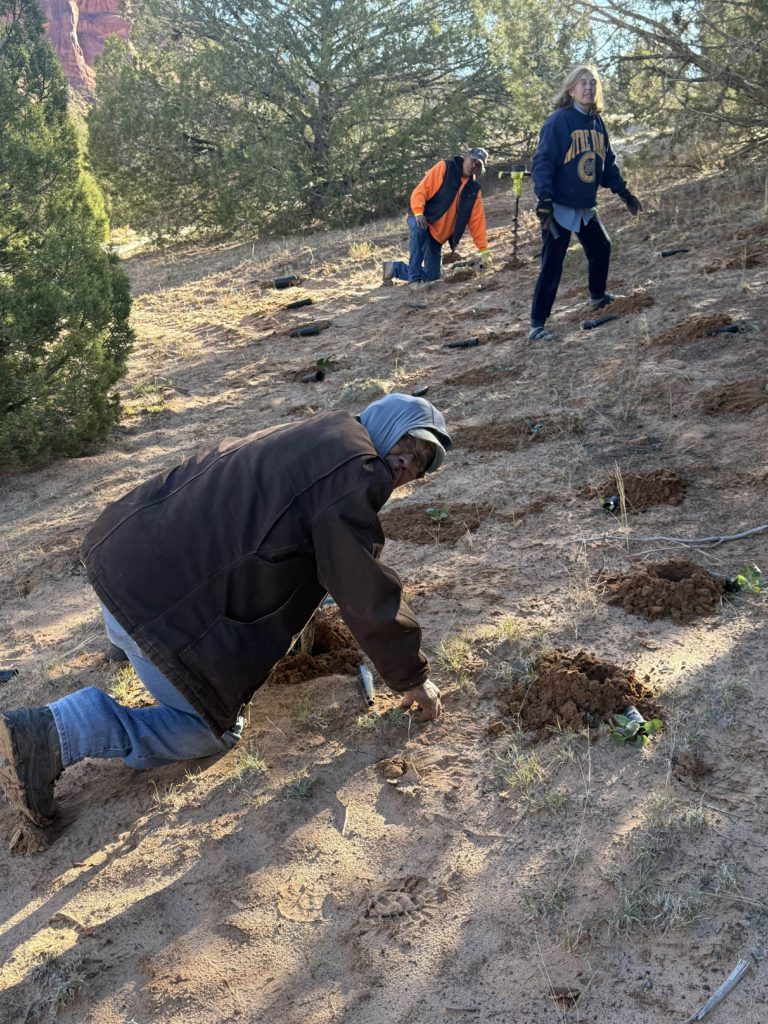
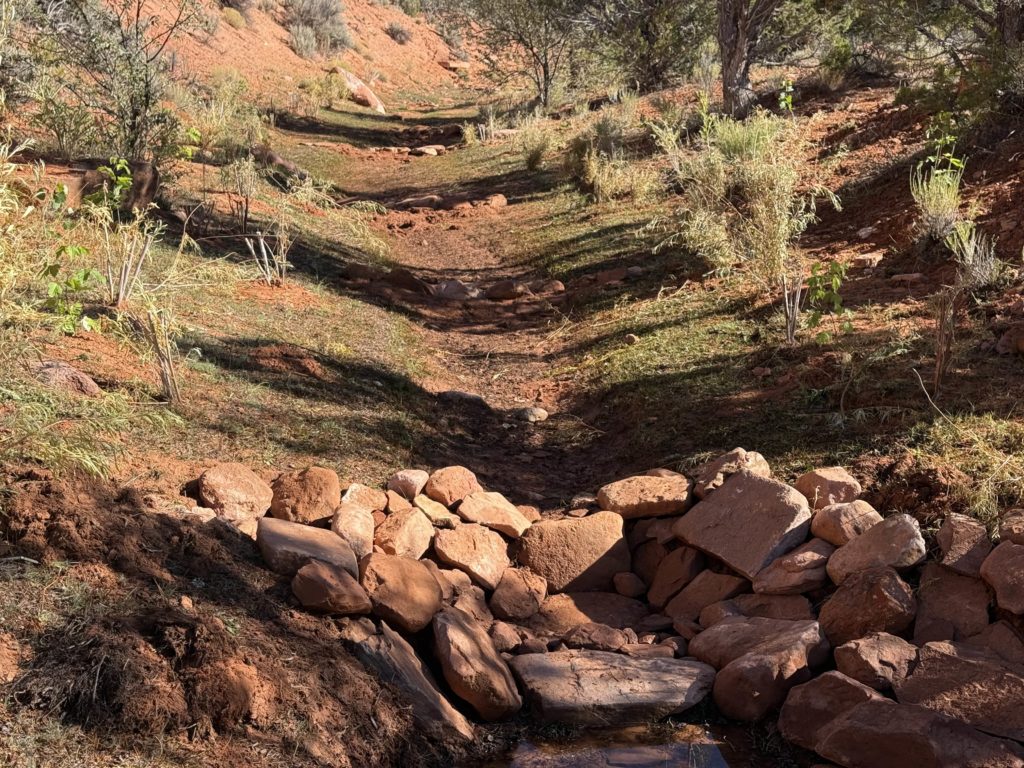
This year was especially meaningful. My 77-year-old mom, Linda, joined us in Tsegi Canyon—camping, working hard, and helping restore a place that means so much to so many. My Children, Faye and Owen, also stepped into the work of FPC, planting willows, building beautiful rock structures, and farming at Claddagh, our organic farm. The lessons I continue to learn from my mom, dad, and children shape both my practice and my life. I am deeply grateful for a family that shows up for me, has my back, and works beside me.
As my favorite Irish poet and philosopher John O’Donohue said:
“I would love to live like a river flows, carried by the surprise of its own unfolding.”
That is the spirit we bring to our work at FPC.
Check out the short video below highlighting some of the incredible projects we’ve had the honor of working on the past year.
Completion of the Uncompahgre Multi Benefit Project
by Alex Colpitts, FPC Project Manager
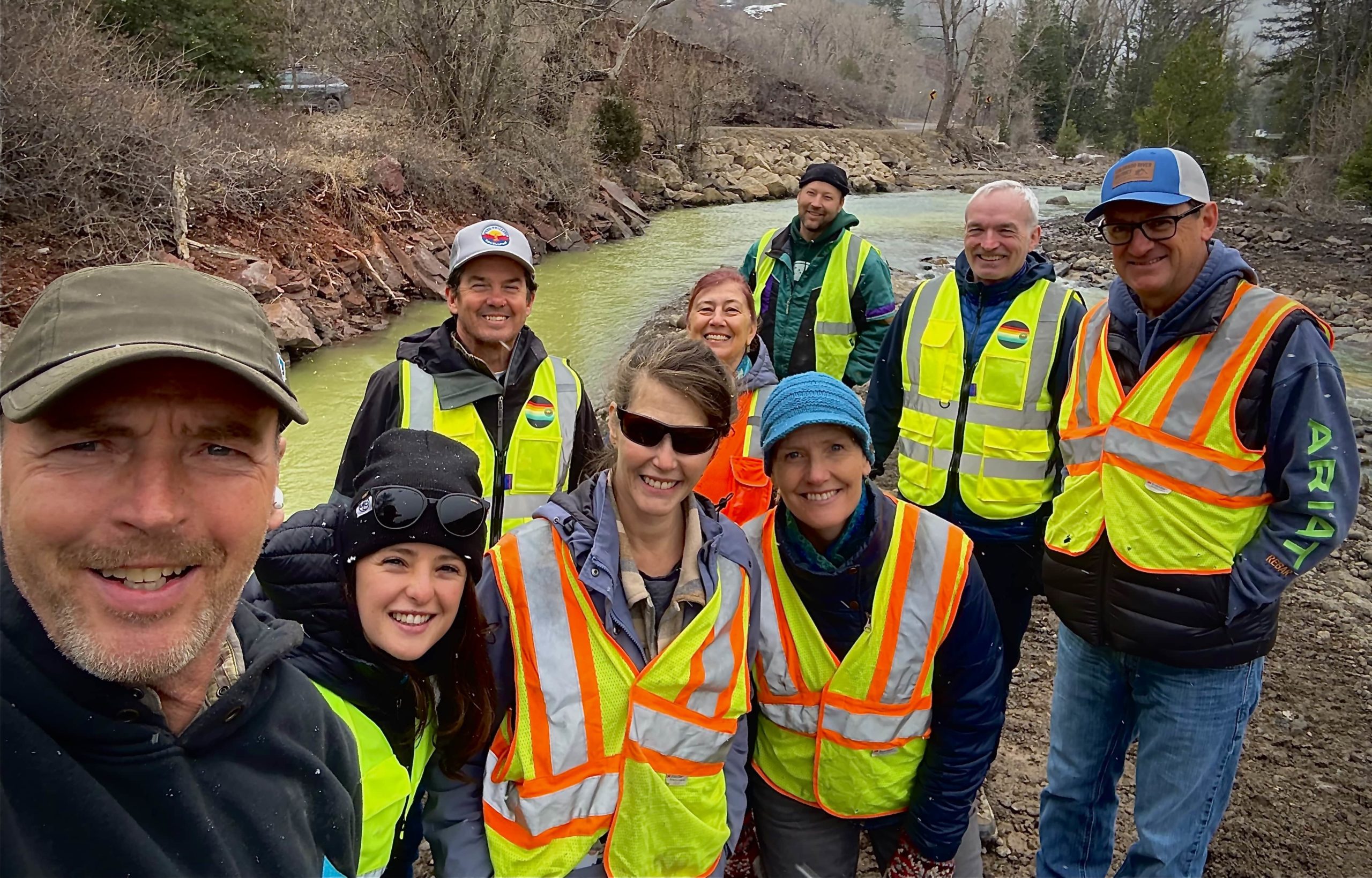
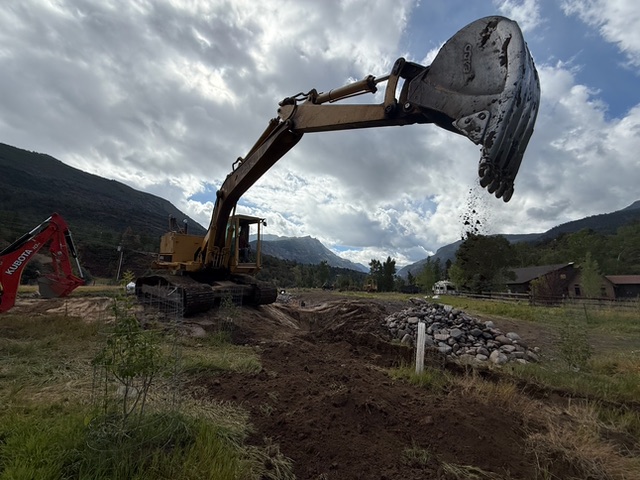
This year, FPC got to work in our own backyard on the Uncompahgre Multi Benefit Project. The project aimed to restore a mile long stretch of the Uncompahgre river between and enhance water infrastructure for members of the Ward Water Group. After finalizing the design and securing permitting and funding last year, the project was ready to break ground this spring.
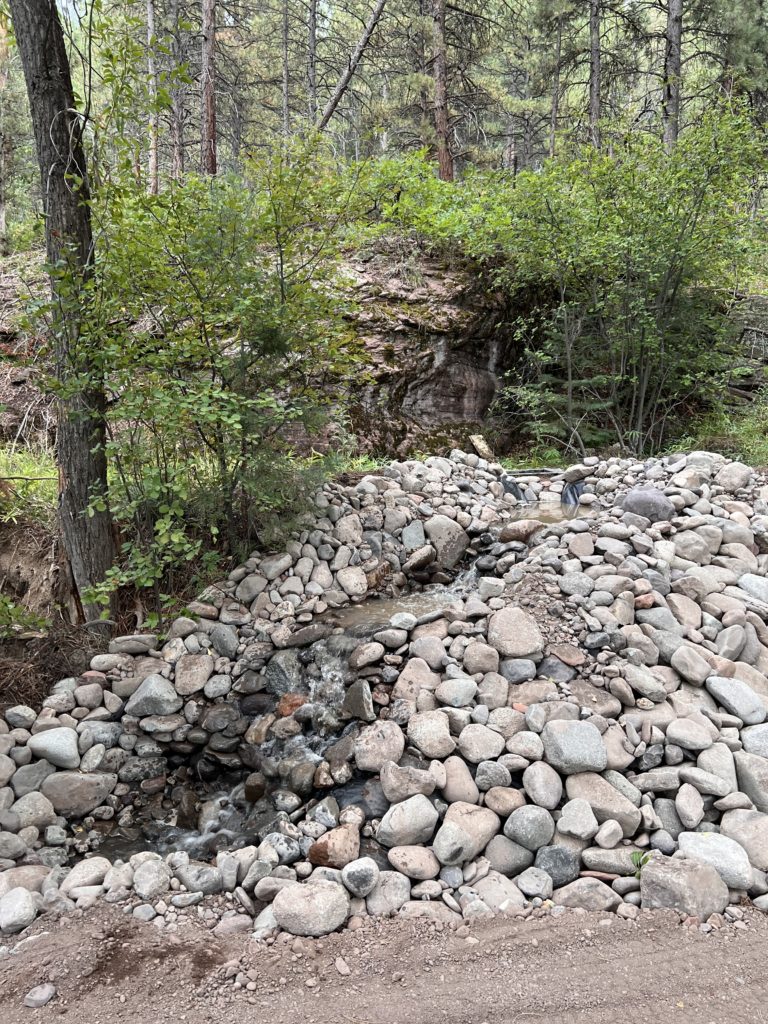
The first part of the project to break ground was the installation of an improved headgate. In the past, the headgate failed to channel water into the Ward Water Group ditch system anytime the river fell below 150 CFS. This meant that for approximately 8 months per year water users could not access their water. With the upgraded design we have yet to experience water flows low enough to cut off water supply to the ditches.

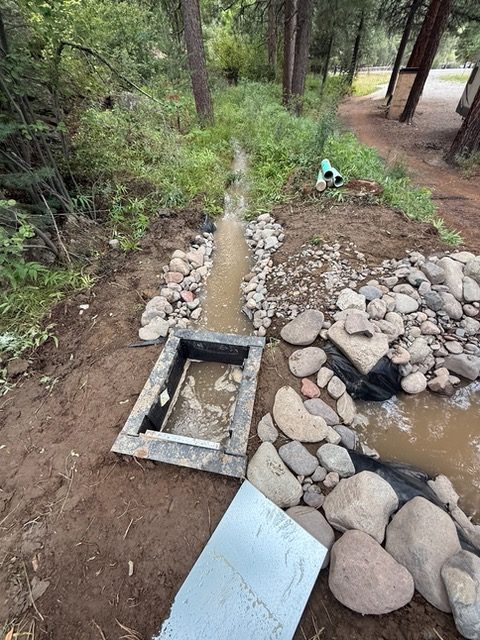
Once the ditch system had a steady supply of water the next step was to improve the infrastructure with which users could control their water. New ditches were created of off existing channels, many ditches were raised to maintain water pressure throughout the system, some fields were levels to allow for flood irrigation, and highly efficient and easy to use ditch gates and splitter boxes were installed to improve control over water usage. Each water user can now direct their water supply to areas that water was previously unable to reach and can control how they use their water with much more ease and efficiency.
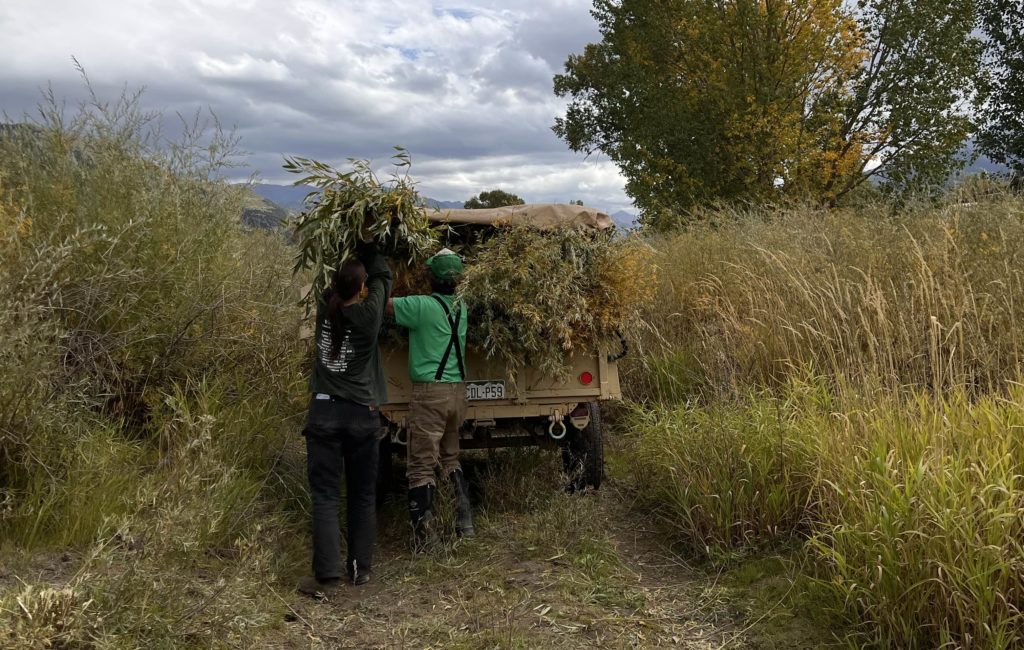
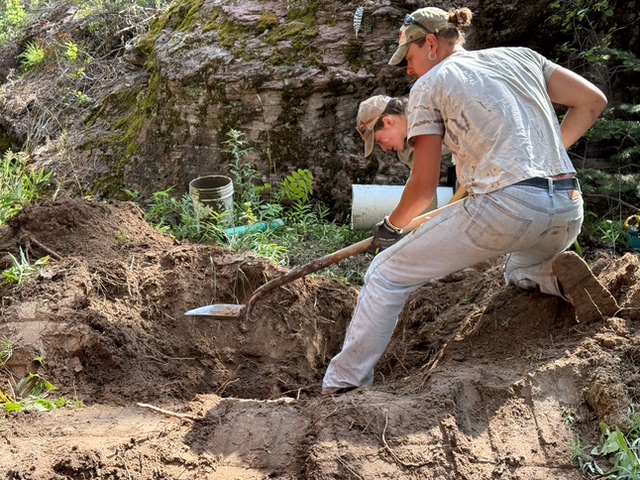

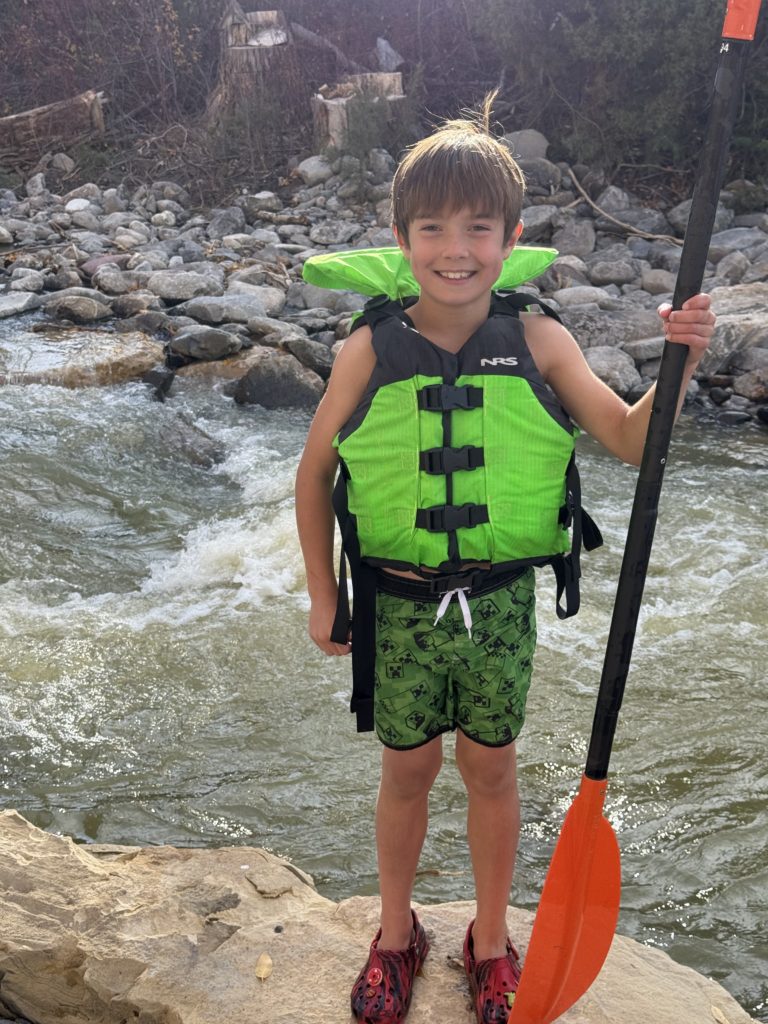
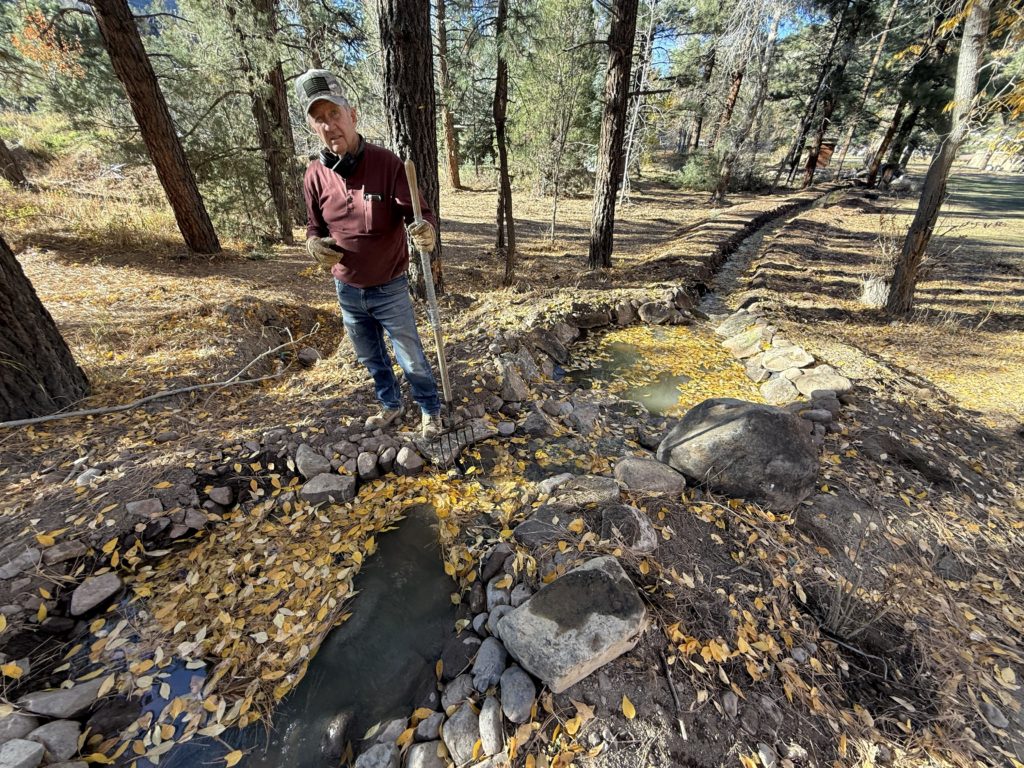
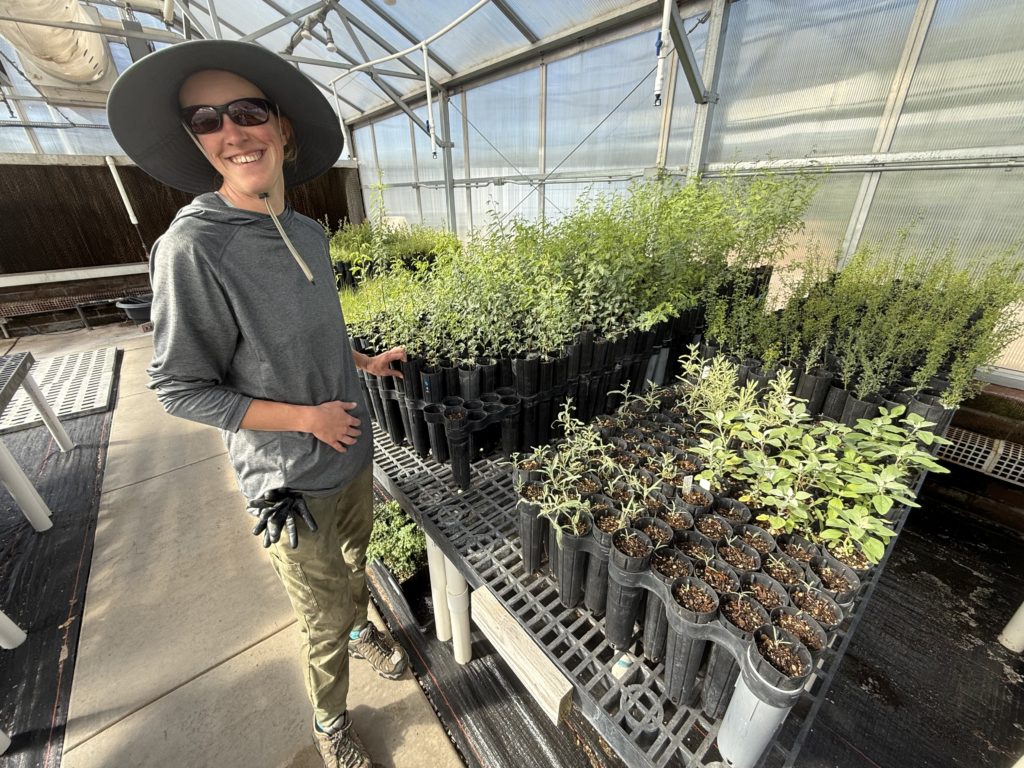
With improved water access in place, we could begin planting. Along the river corridor and throughout water users properties, we planted a total of 4,493 container plants, over 2,000 locally sourced willow pole plantings, and spread 140 pounds of native seed. These plantings were comprised of 29 native species many of which were being newly reintroduced to the area. With this part of the project, we will continue to see exciting changes year after year as the plants grow and establish and multiply.
In addition to the reintroduction of native plant species which will increase bank stabilization and biodiversity of the river corridor, many new structures were created in the river itself. Previously, this stretch of river was uniform, cobbly, and shot straight downstream. These structures, including j-hooks, cross veins, root wads, and boulder clusters, were strategically placed to decrease bank cutting, slow down river flow in places, and increase variety throughout the river channel. Soon after the structures were built, we received two large rainstorms, and the river experienced abnormally high flows for that time of year. This allowed us a sneak peak at how these structures will function. We have already seen the formation of new eddies and deeper pools and the deposition of sediments in new places creating gravel bars, sand bars, and back waters.
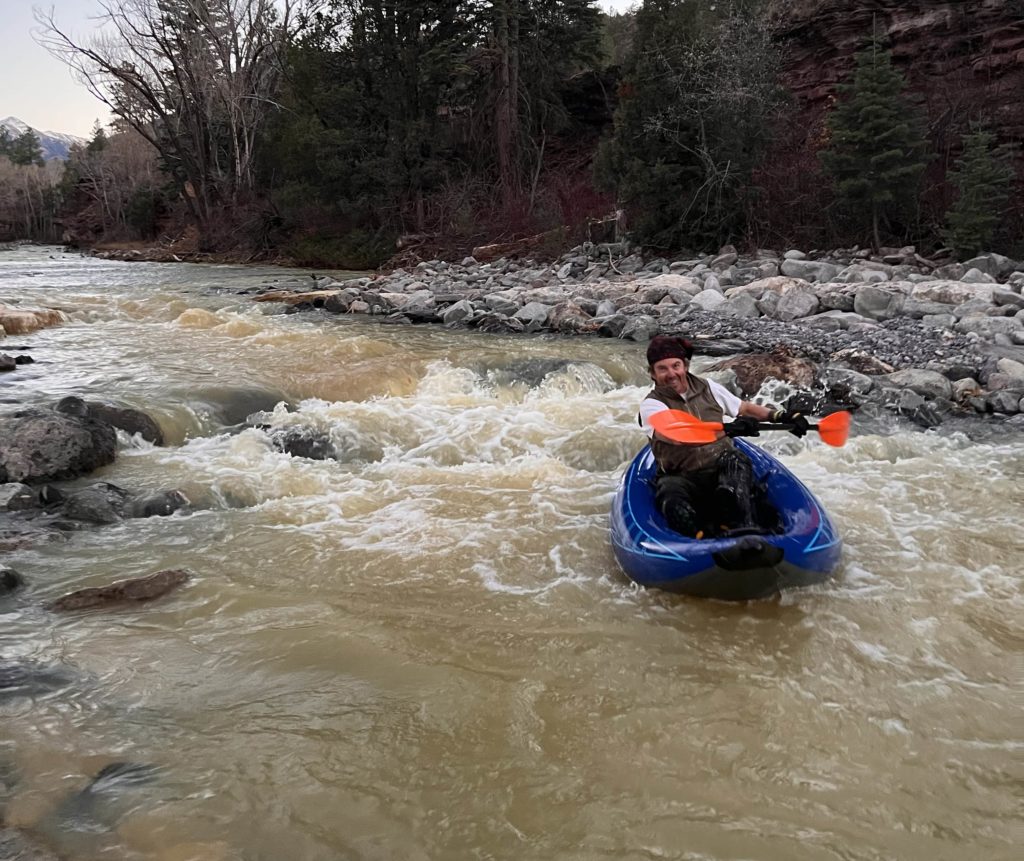
These improvements will boost biodiversity, support local water users, and protect the river ecosystem. We look forward to seeing the projects long-term benefits for the environment and the community.
Credits: Fred Phillips Consulting, Natural Channel Design, Peck Inc., Redoubt Restoration, NAU Greenhouse, Dahlwinnie Ranch, American Rivers
Pongsikya Restoration and Recovery Following Wildfire
by Benji Wilkinson, FPC Expedition Foreman
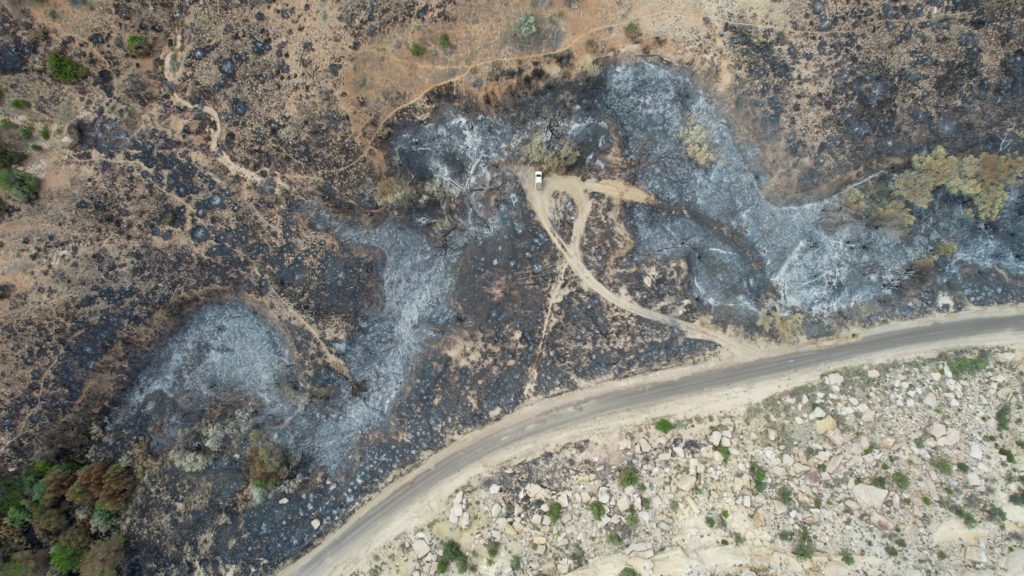
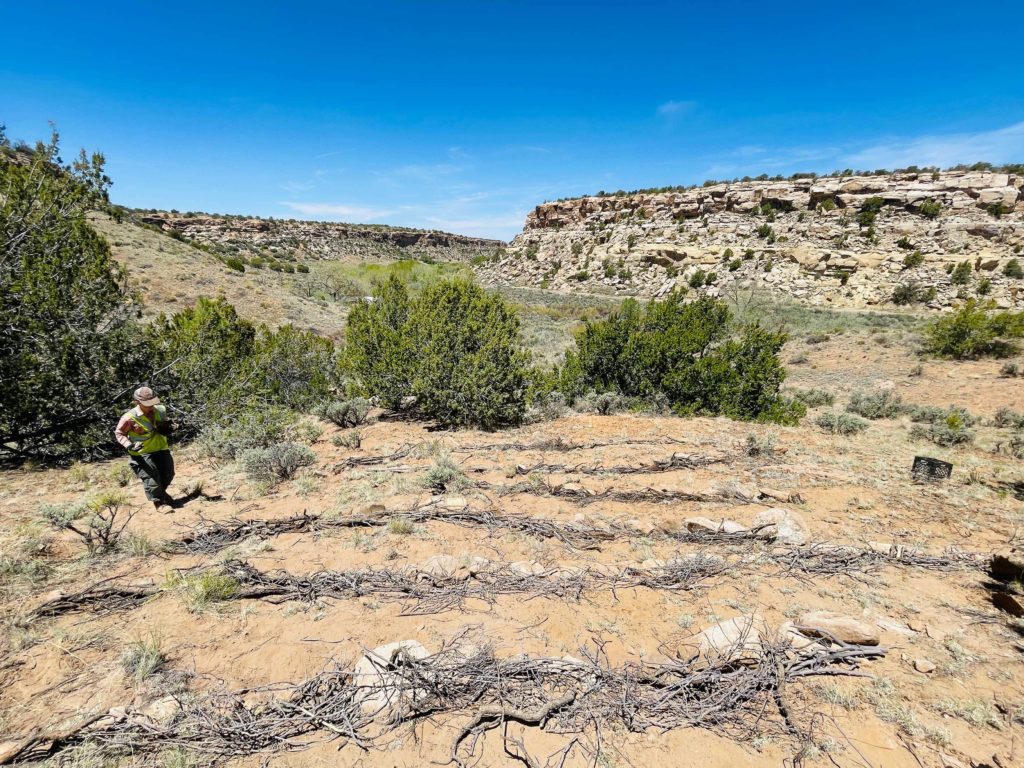
In May 2025, our Phase 2 restoration trip to Pongsikya continued the momentum built the previous fall. The team completed major improvements, including additional beaver dam analogs, media luna features, and erosion mitigation at a second large headcut below the main hypocrene. We also distributed 7,000 new plants throughout the area, further strengthening the site’s ecological foundation.
Just two months later, on July 13th, BIA fire crews were dispatched to Keams Canyon to contain two fast-moving wildfires—the Beaver Dam Fire (54 acres) and the Pipe Springs Fire (8 acres)—as they advanced toward residences on the canyon’s western edge. By July 18th, both fires were fully contained. The Beaver Dam Fire burned nearly all of the Phase 1 restoration area, completed in September 2024, and an estimated 40–50% of the Phase 2 area installed in May 2025.
A post-burn inventory conducted on September 25th revealed early signs of resilience and recovery across the site. Light soil moisture persisted, though recent rainfall was uncertain. In the wash channel, which experienced the most significant burn intensity, strong resprouting of coyote willow is already underway, even as invasive Russian olive and tamarisk begin to return. Across the uplands and tributaries, native grasses, shrubs, and forbs are showing healthy regrowth, indicating a promising ecological rebound.
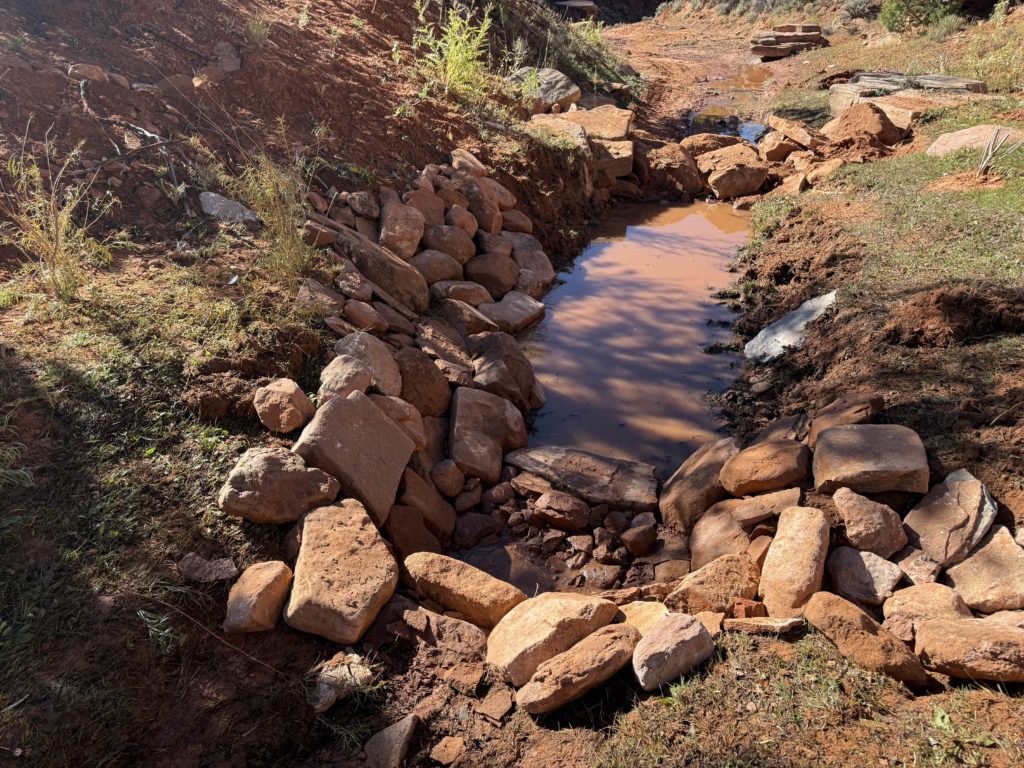
At the hypocrene site, roses, sedges, salt grasses, and many planted trees remain viable, including the memorial peach tree, which will require continued attention. To further stabilize the area, three protective trincheras were constructed upstream of an existing Zuni bowl, with recommendations for additional erosion-control features moving forward.
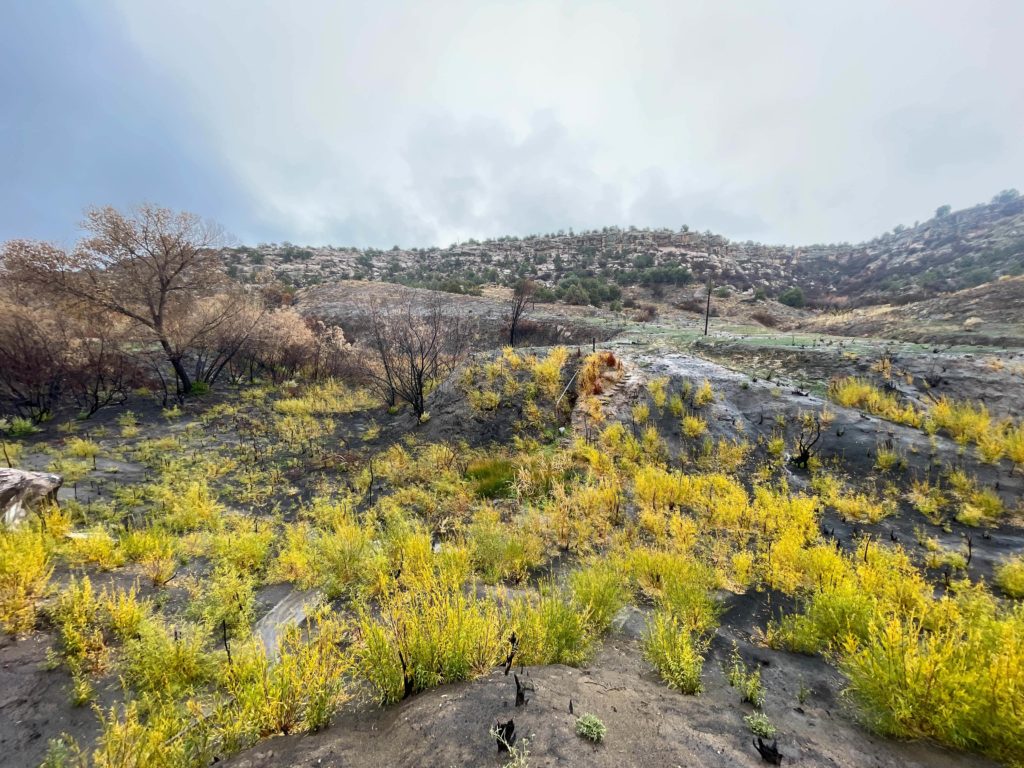
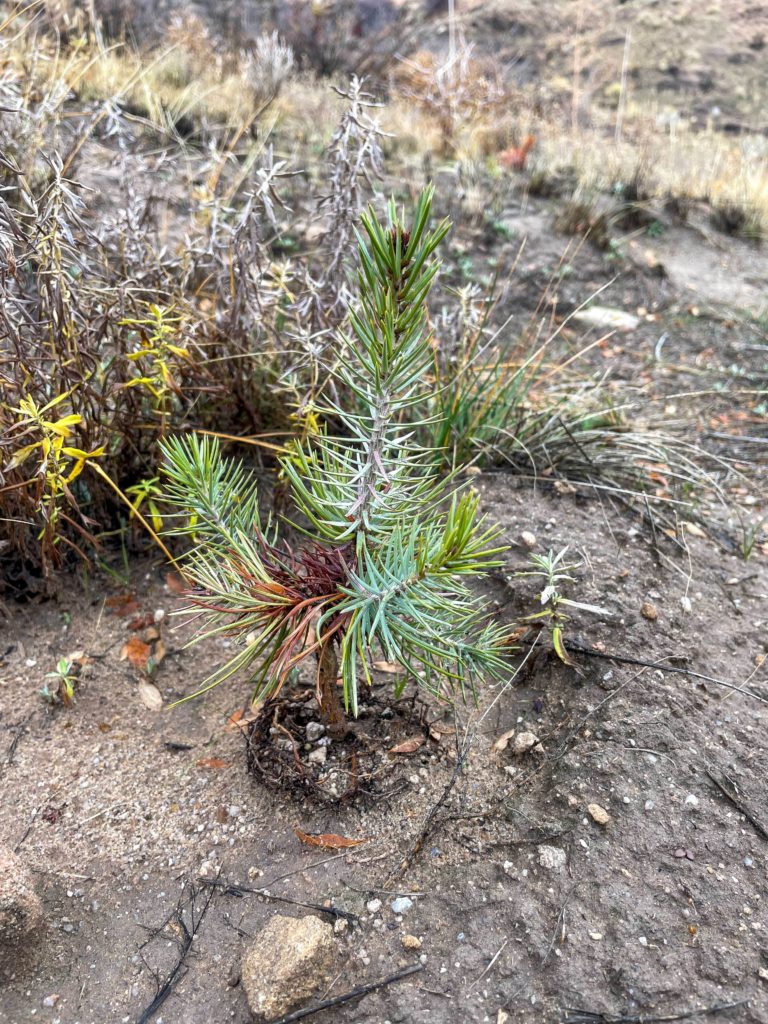
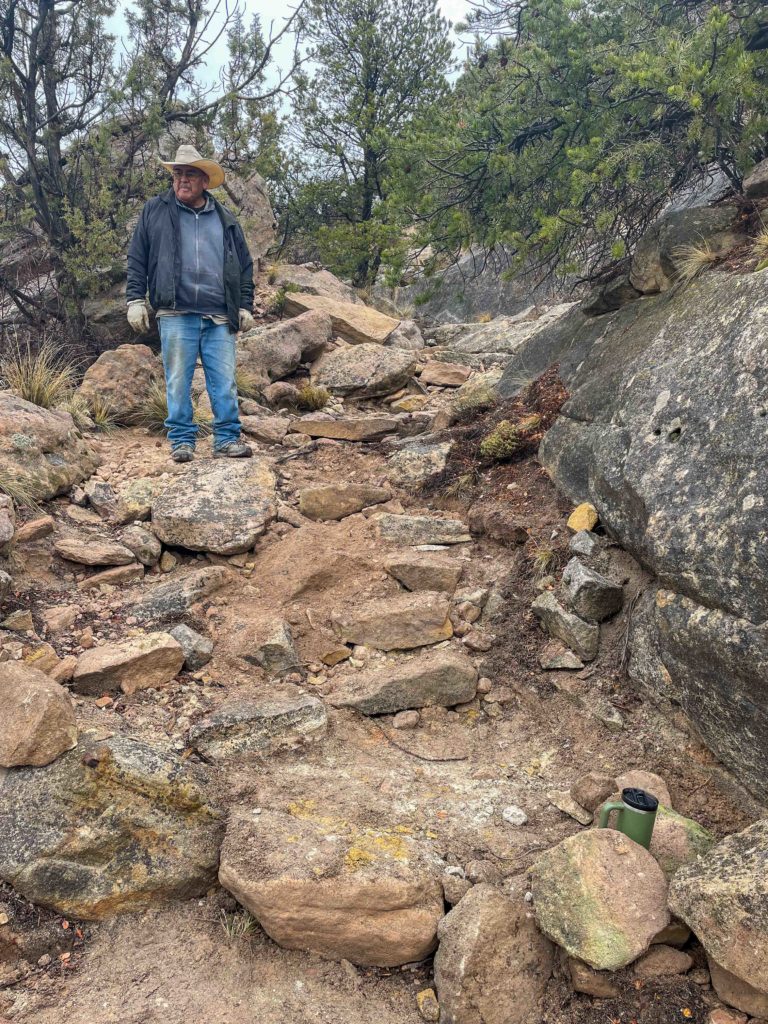
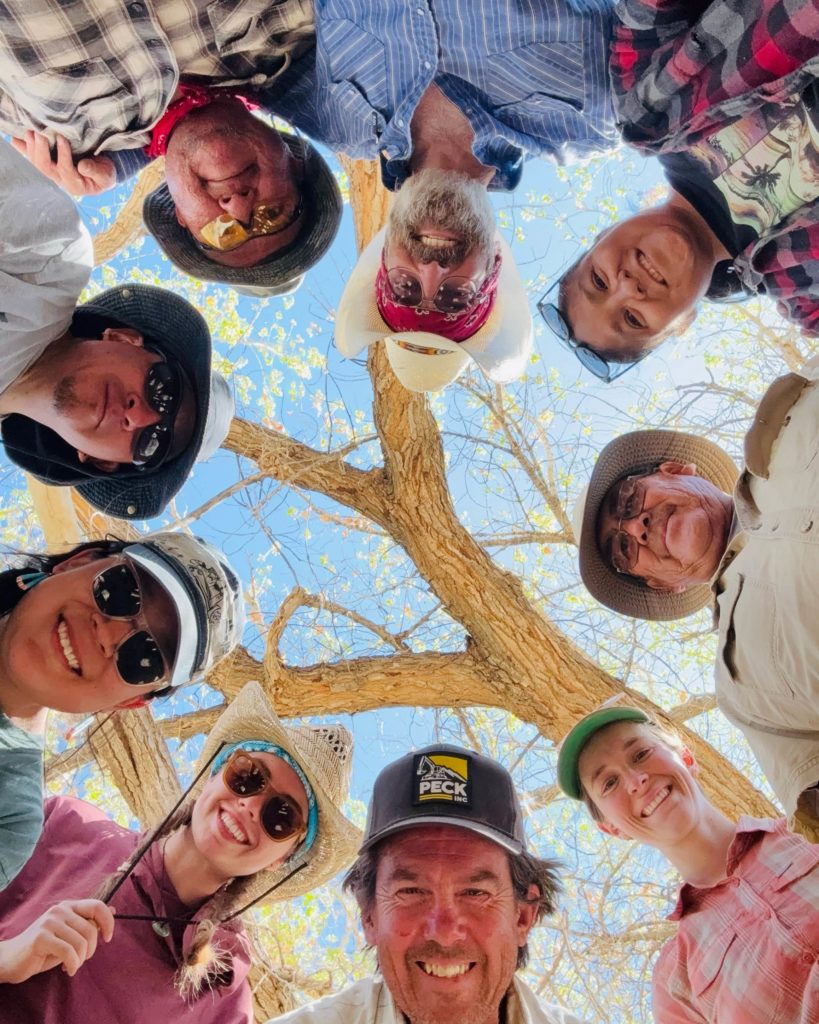
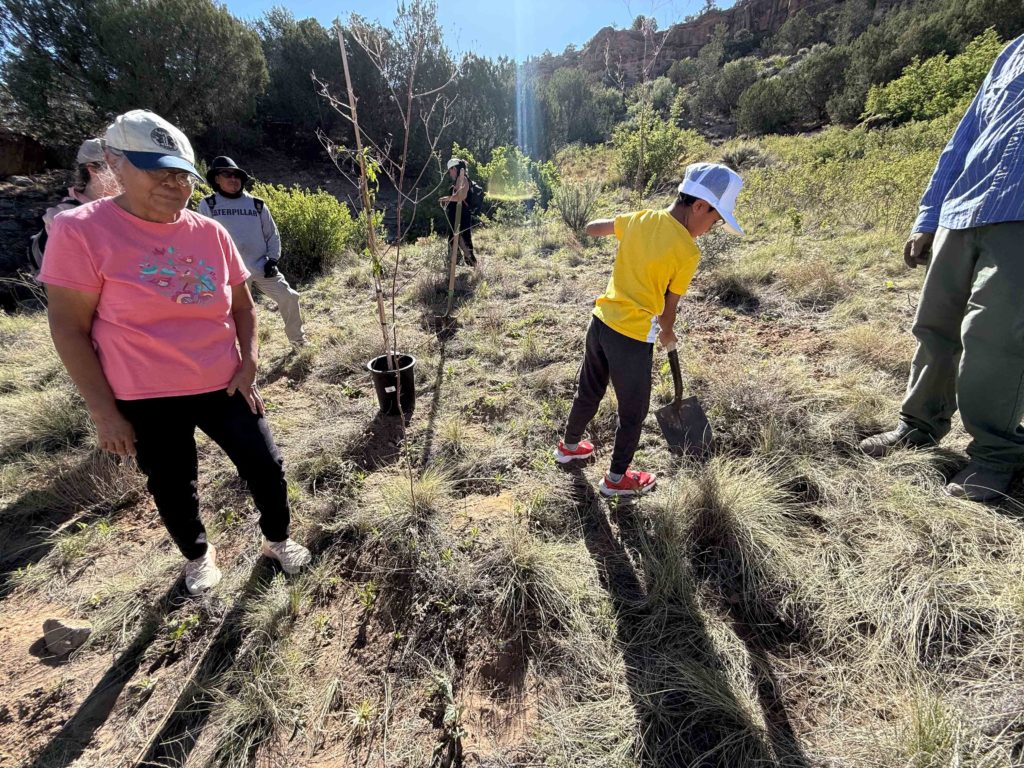
Despite the summer wildfires, the Pongsikya restoration area is demonstrating strong natural recovery, supported by thoughtful restoration work and ongoing stewardship.
Credits: First Mesa Consolidated Villages, Blue Canyon Consulting, Fred Phillips Consulting, NAU Greenhouse
FPC Continues Restoration in Sooli’ Canyon
by Fred Phillips, Principal
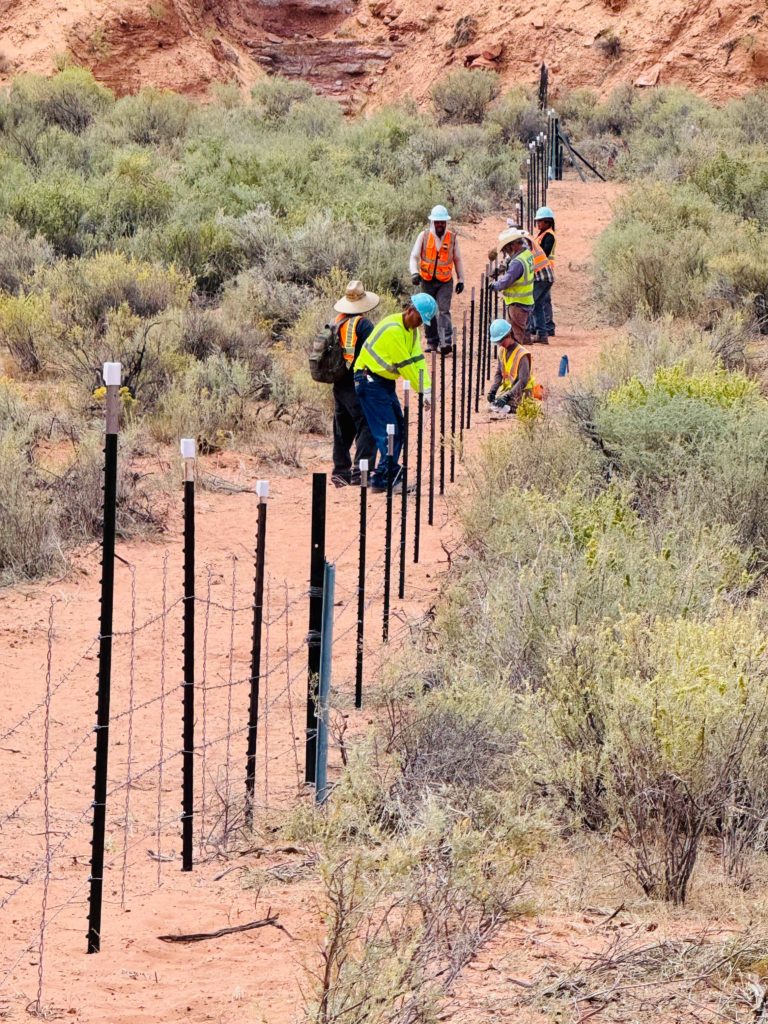
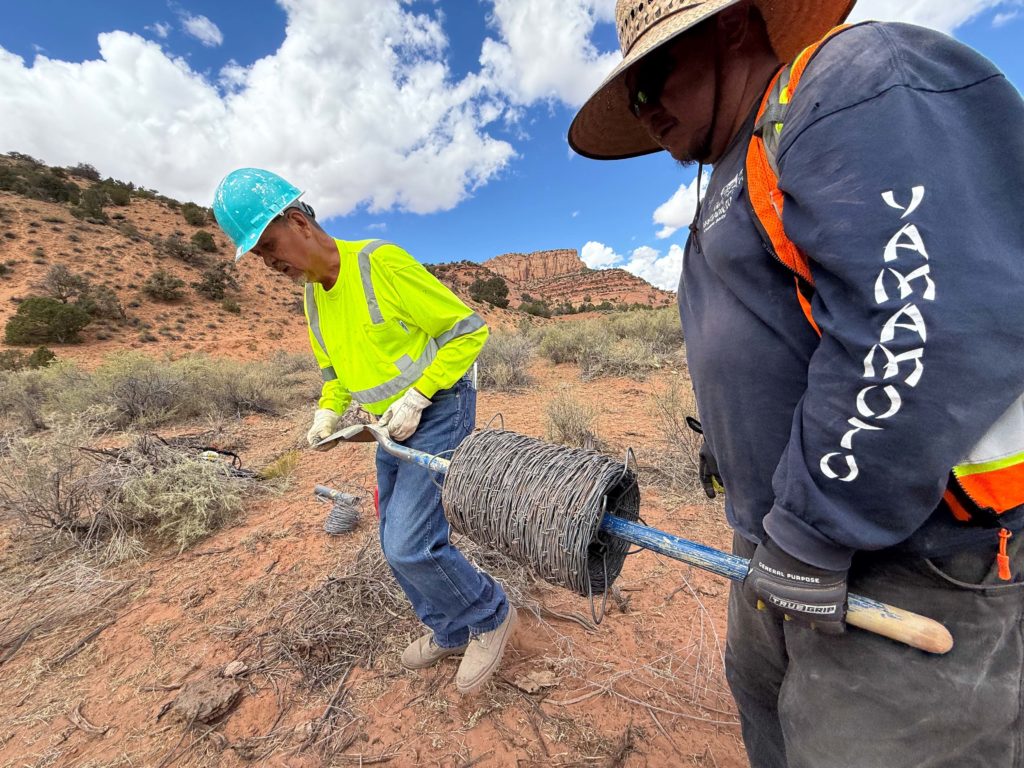
FPC has been working with the BIA, the permit holders, Catena Foundation, Biophilia, the Fish and Wildlife Service, and the Navajo Nation on restoring Tsegi’ Canyon for over 10 years. This year, we worked on restoring and protecting Sooli’ Canyon, which translates to Box Elder in English.
Sooli’ Canyon has perineal springs, archaeological resources that need protection, and beautiful riparian and upland areas. FPC built a restoration livestock fence across the mouth of the canyon to protect it from feral horses and livestock. We also did revegetation in the lower half of the canyon and seeded protected areas. Now, the areas and side canyons protected or restored in Tsegi Canyon exceed 10,000 acres, with some seeing very defined and dramatic ecological uplift.
Credits: Fred Phillips Consulting, BIA western Agency, NAU Greenhouse
University of Pennsylvania Weitzman School of Design Graduate Landscape Studio for First Mesa Consolidated Villages
by Andrew Boyle, Restoration Program Manager & Designer
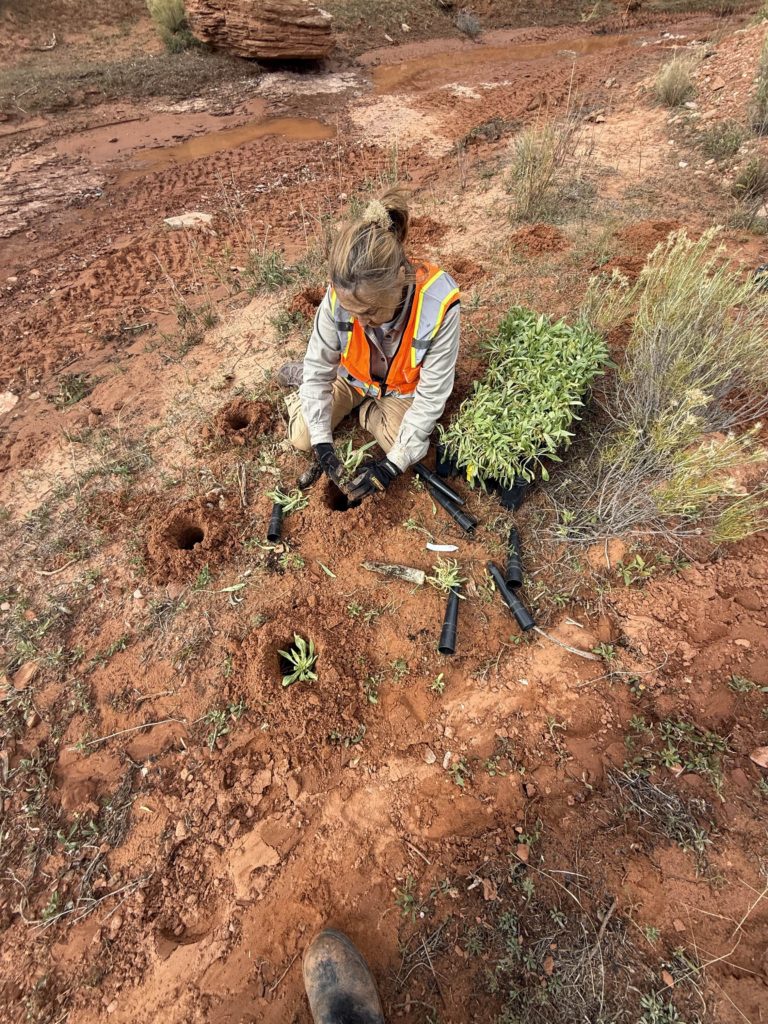
FPC is collaborating with Professor Ellen Neises of University of Pennsylvania to lead a design studio focused on projects for the public realm of the Hopi Nation’s First Mesa Consolidated Villages. The students have had two months of classroom instruction and design development, along with a week of Field Study in the Hopi Nation. We just concluded our mid semester review where students presented their in-progress design ideas with feedback from a panel of practitioners and educators. Project ideas range from spring restorations, alluvial heritage agriculture revitalization, trail networks, and community riverside parks.
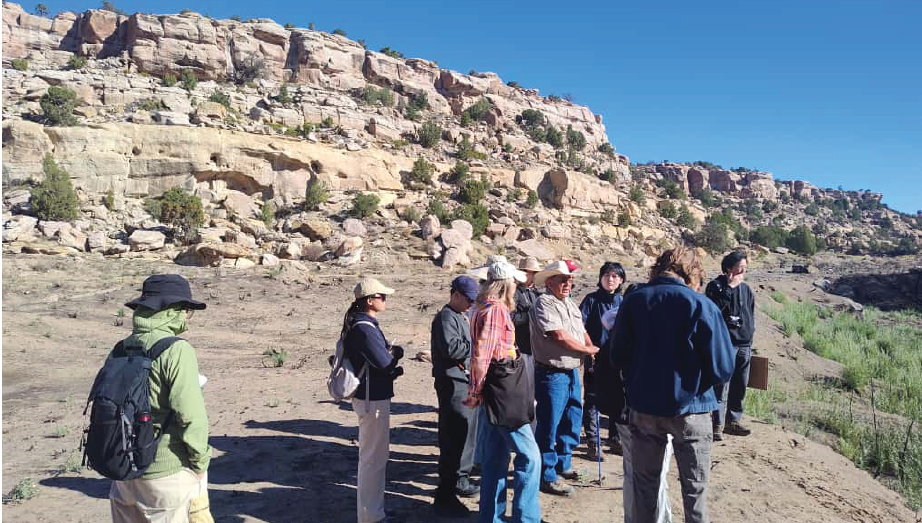
We will have two more formal reviews in late November and then in December, with input from First Mesa stakeholders integrated through the next 6 weeks. Then we will package the students’ design proposals for delivery to First Mesa and other Hopi constituents. We plan to have a more structured dialogue with the community once their ceremonial calendar winds down in the New Year, where we will solicit a broader range of feedback and consider next steps.
Cocopah North Restoration
by Andrew Boyle, Restoration Program Manager & Designer
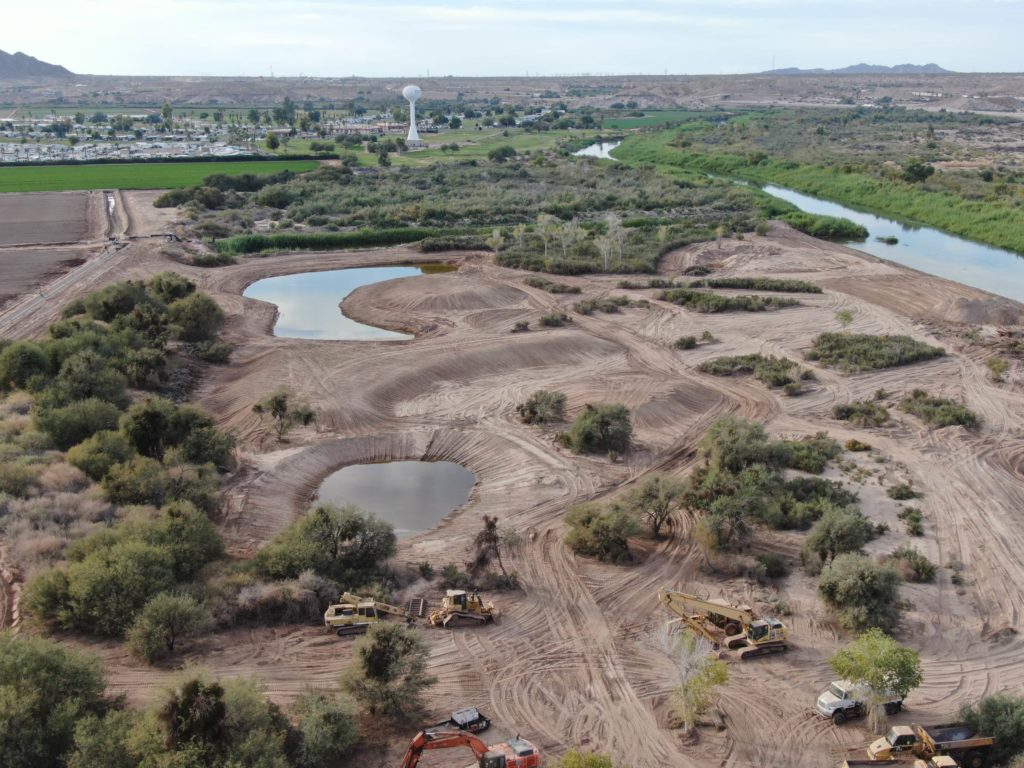
FPC is collaborating with the Cocopah Tribe to restore a 40 acre portion of the Colorado River floodplain for ecological benefit and public cultural amenity. The project involves extensive earthwork construction, with over 100 cubic yards of soil excavation to establish a meandering stream channel and variable topography.

The stream channel will weave through several wetland ponds, thousands of tree plantings for riparian and upland habitat, and extensive invasive removal. The site will include a beach for recreational water access, gathering spaces for cultural ceremony and recreation, elevated lookouts, ADA accessible trail networks, and ample parking infrastructure.
Credits: Cocopah Indian Tribe, Oxbow Ecological Engineering, PG&E Grading Co., Fred Phillips Consulting, NAU Greenhouse
Upcoming Work: San Juan River Ecosystem Restoration
by Emily Ontiveros, Restoration Program Manager & Designer
FPC recently teamed up with RiverRestoration to begin a project working with The Nature Conservancy and the Navajo Nation on the San Juan River. Examining multiple sites along the San Juan between Bluff, Utah and Shiprock, New Mexico, we will assist in identifying two priority sites and planning for ecosystem restoration. This stretch of the San Juan River is downstream from Navajo Reservoir, where flows are released to support the objectives of the San Juan River Recovery Implementation Program, and includes areas where tamarisk and Russian olive proliferate.
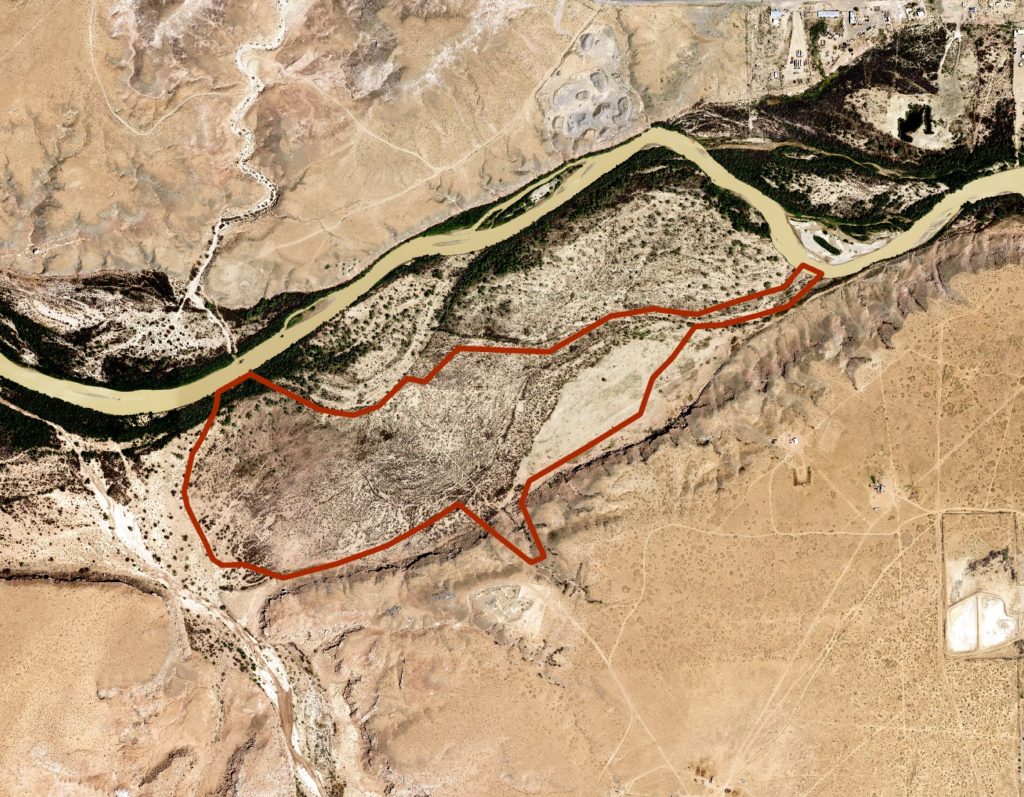
Designs for the priority sites will improve riparian and aquatic habitat, with a focus on supporting the federally endangered Colorado pikeminnow and razorback sucker. These two fish species are found only in the Colorado River basin. The design team, put together by RiverRestoration, includes diverse expertise in cultural resources, community engagement, and geomorphology, which will help to ensure project success. Working on the San Juan River will provide FPC with the opportunity to support restoration in yet another tributary to the Colorado River.
Sorry, the comment form is closed at this time.